
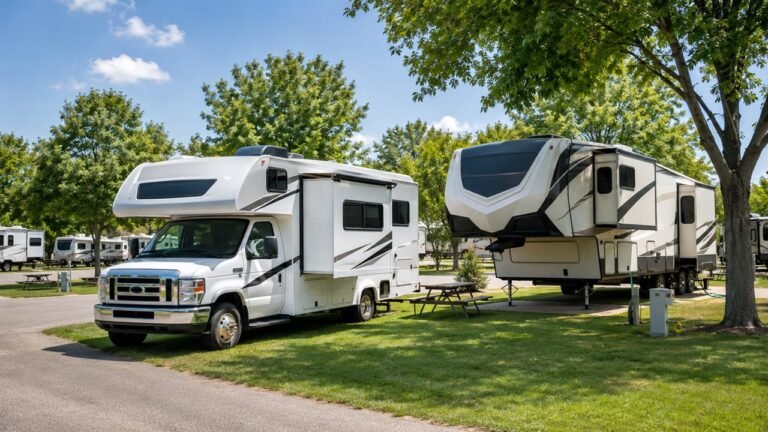
Water can usually sit in a clean, sanitized RV fresh tank for about 10 to 14 days if it came from a safe potable source. In hot weather, dirty tanks, or questionable water sources, that timeline can...
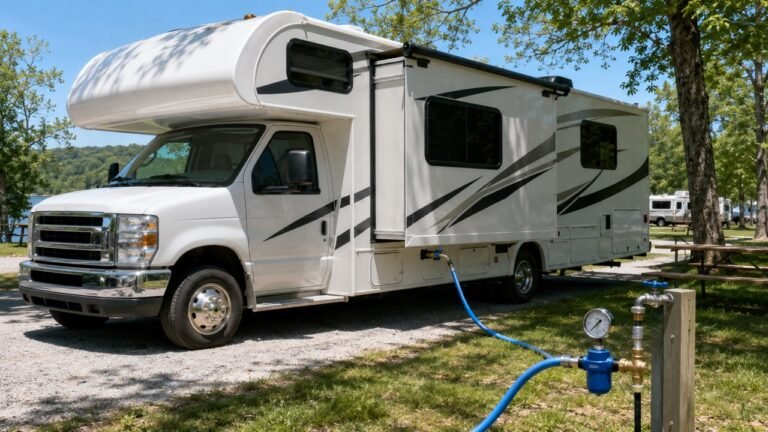
Low RV water pressure is usually caused by a clogged water filter, faulty pressure regulator, kinked hose, dirty faucet aerator, weak water pump, low battery voltage, blocked inlet screen, or...
RV water smells like rotten eggs because of hydrogen sulfide gas, which often forms when sulfur bacteria grow in stagnant water or react inside the RV water heater. If the smell only comes from hot...
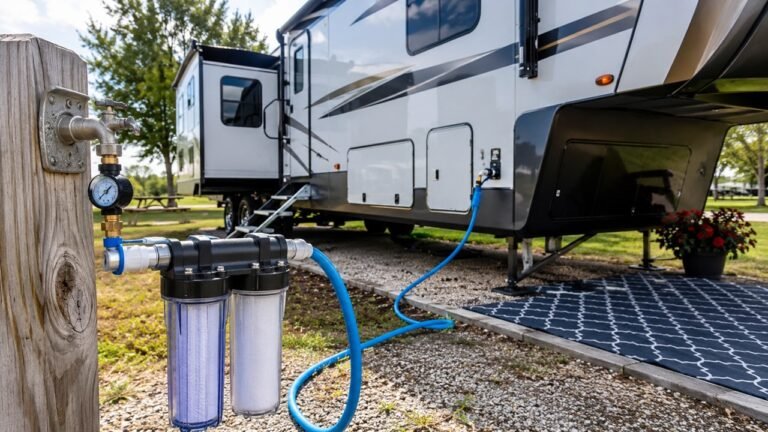
An RV water filter removes sediment, dirt, rust, chlorine taste, bad odors, and some chemicals from the water entering your RV. Depending on the filter type, it may also reduce heavy metals, sulfur...
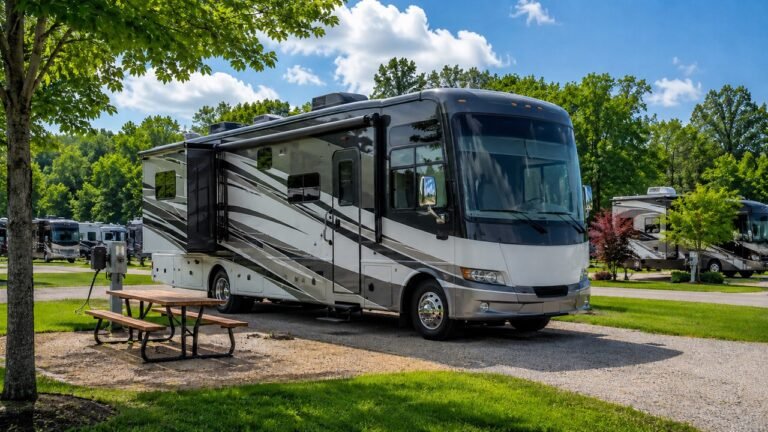
RV safety systems work by using cameras, sensors, alarms, brakes, electrical protection, and emergency exits to reduce risk while driving, camping, cooking, sleeping, and storing your RV. Some systems...
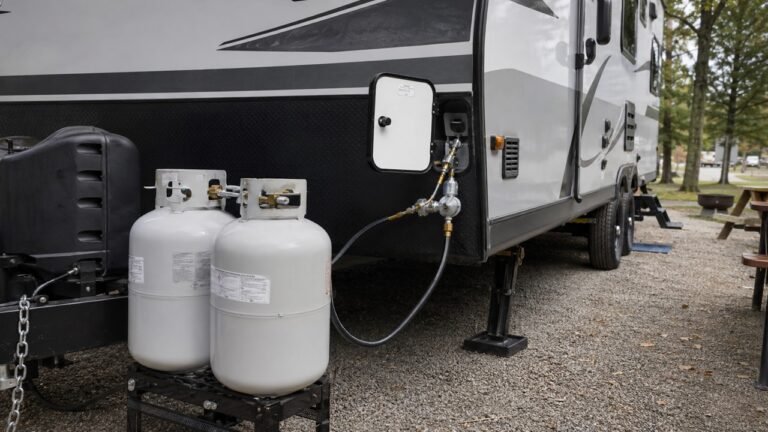
An RV propane system stores propane under pressure, reduces that pressure through a regulator, and sends low-pressure gas through dedicated lines to appliances like the furnace, stove, oven, water...
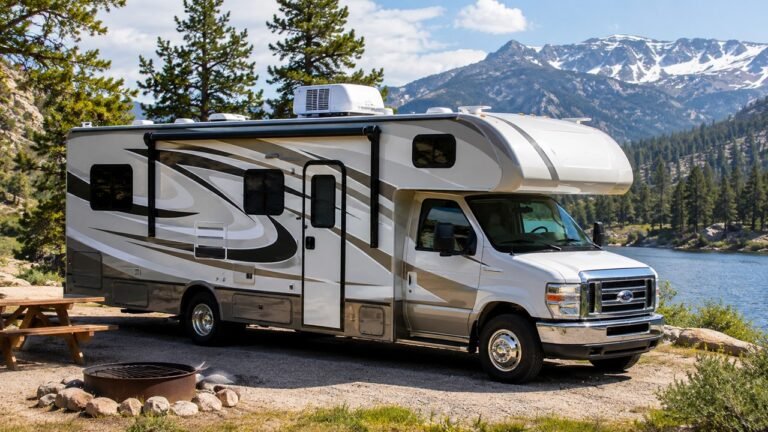
An RV airflow and humidity system works by moving indoor air through the air conditioner, vents, ducts, fans, and ventilation points while removing moisture through condensation, exhaust, and...
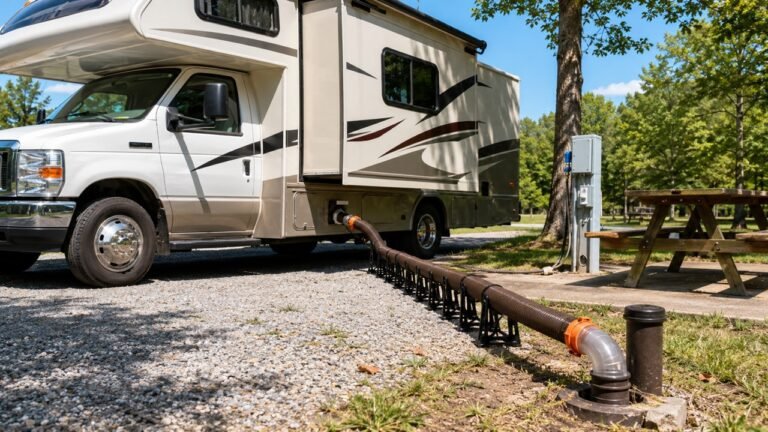
An RV sewer system works by collecting wastewater in holding tanks under the RV until you are ready to dump it. Toilet waste goes into the black tank, while sink and shower water usually goes into the...
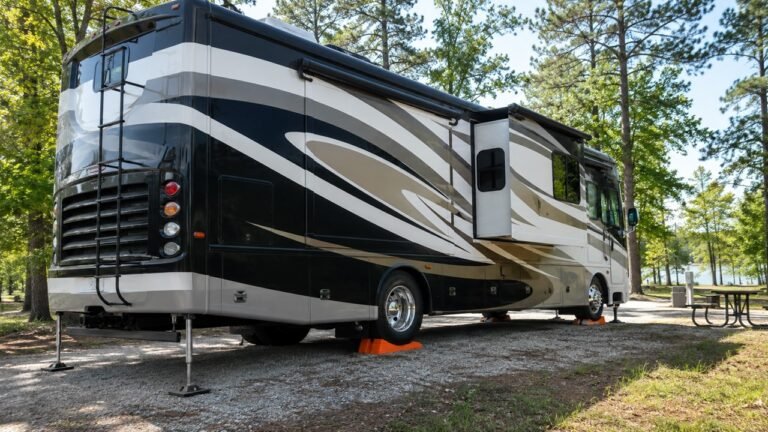
RV leveling works by raising the low side or low end of your RV until the rig sits evenly from side to side and front to back. You can do this with leveling blocks, curved ramps, tongue jacks, landing...