
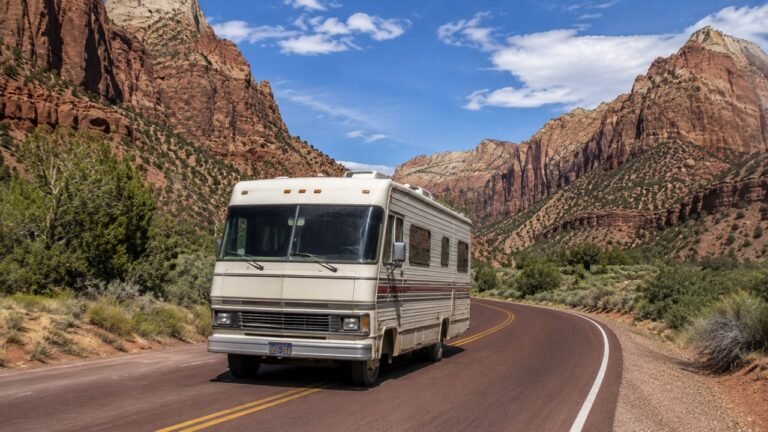
Your RV water pressure usually goes up and down because the campground supply is fluctuating, the pressure regulator is restricted, air is entering the plumbing, or the onboard water pump is cycling...
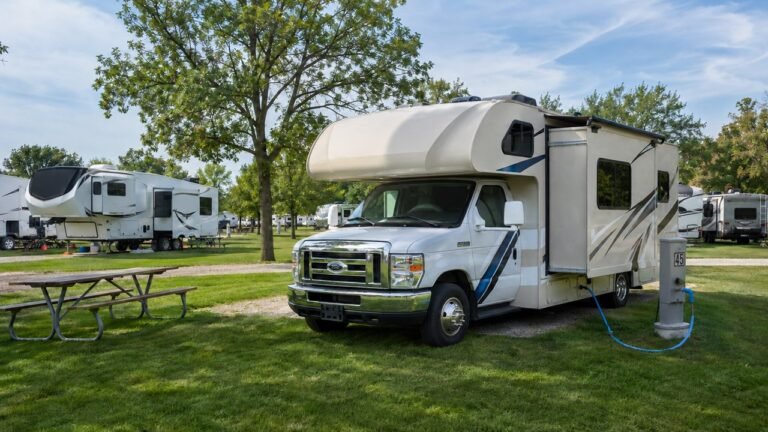
Yes, high campground water pressure can damage an RV’s plumbing system. Excessive pressure can strain fittings, seals, faucets, toilet valves, water filters, supply lines, and appliances. It may cause...
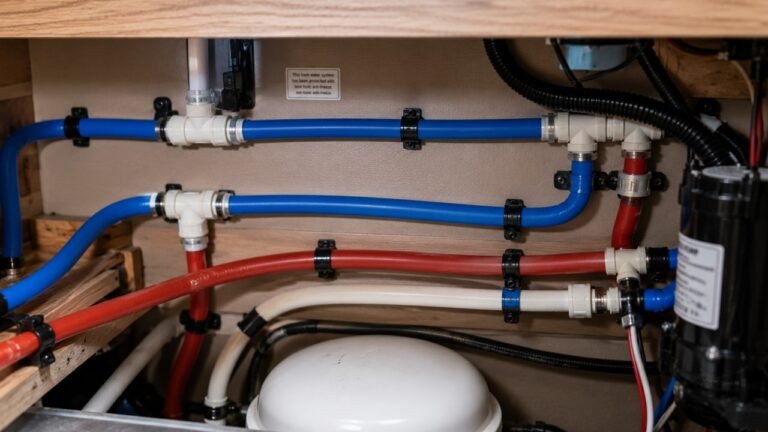
Air usually gets into RV water lines through a partially open winterizing valve, a loose pump strainer, a low fresh-water tank, or a small leak between the tank and water pump. Although trapped air...
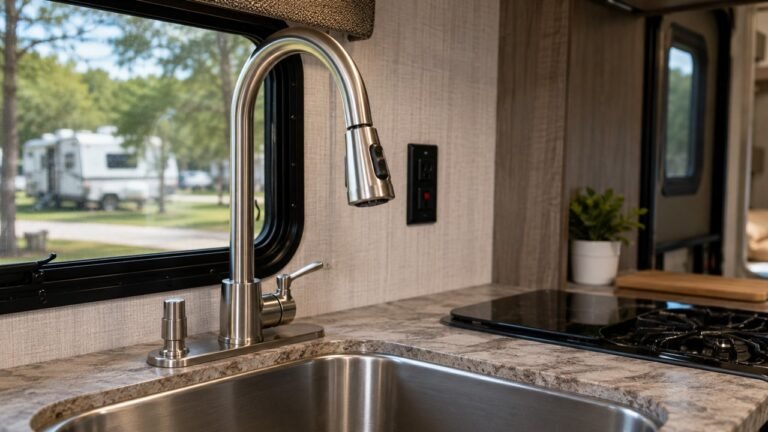
Your RV faucet usually sputters because air is trapped in the water lines, the fresh tank is running low, or the water pump is pulling air through a loose fitting, cracked strainer, damaged hose, or...
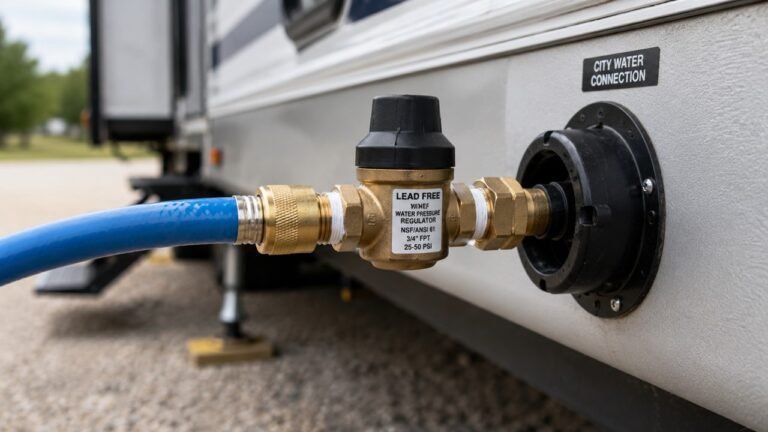
Without an RV water pressure regulator, high or fluctuating city-water pressure can strain fittings, valves, faucets, hoses, and other plumbing components. A weak connection may begin dripping...
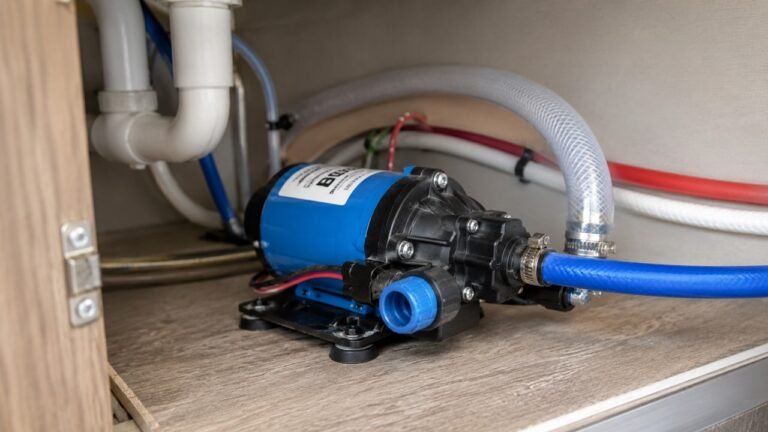
Your RV water pump is usually loud because its normal vibration is transferring into the floor, cabinetry, walls, or rigid water lines. Trapped air, a clogged inlet strainer, loose mounting hardware...
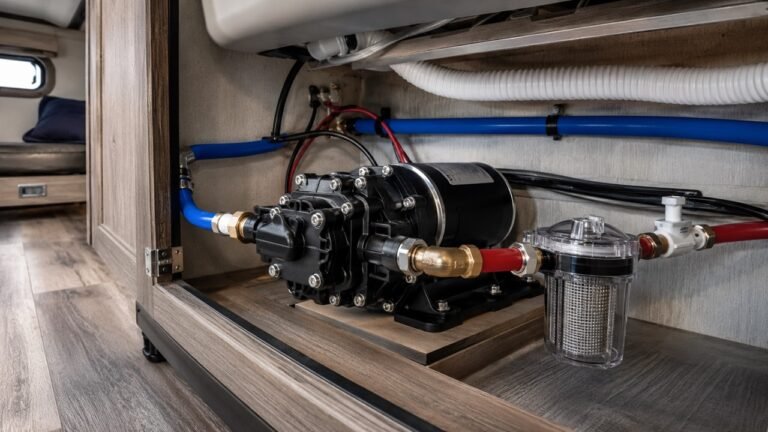
Your RV water pump keeps running because the water system cannot build or hold enough pressure to shut the pump off. In most cases, this happens because of low fresh water, trapped air, a slightly...
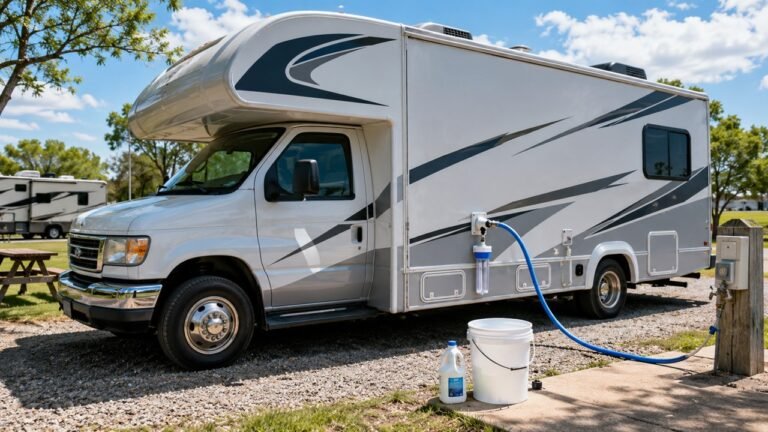
To sanitize an RV fresh water tank, drain the old water, mix 1/4 cup of regular unscented household bleach per 15 gallons of tank capacity with water, add it to the fresh tank, fill the tank, run...
Yes, you can drink water from an RV fresh tank if the tank is clean, the water came from a potable source, and the RV plumbing has been properly sanitized. The fresh tank is designed to hold drinking...