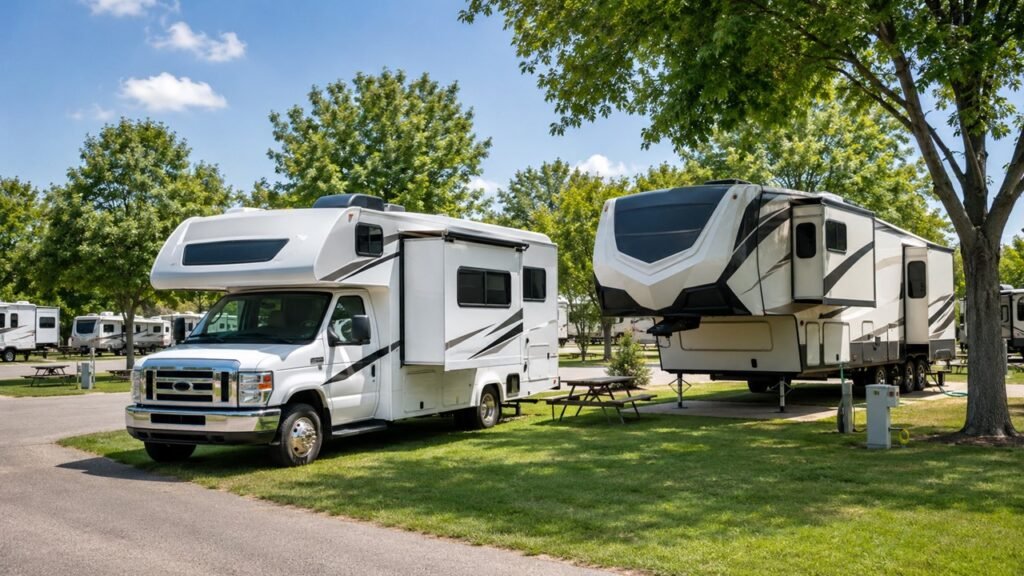
Water can usually sit in a clean, sanitized RV fresh tank for about 10 to 14 days if it came from a safe potable source. In hot weather, dirty tanks, or questionable water sources, that timeline can become much shorter.
In this guide, I’ll walk you through how long RV fresh water really lasts, what makes it go bad faster, when to drain it, how to keep it fresher, and what to do if the water has already been sitting too long.
Disclaimer: This information is based on general RV practices and personal experience, not professional advice. Always consult your RV manual or a qualified expert if you are unsure about your water system.
Key Takeaways
- Water from a safe potable source is usually best used within 10 to 14 days.
- Hot weather can make RV tank water taste stale or become questionable much sooner.
- Well water or unknown campground water may not last as long as treated city water.
- Drain the tank if the water smells bad, tastes odd, looks cloudy, or has been sitting too long.
- A clean tank, clean hose, and safe water source matter more than the tank itself.
- Sanitize your RV fresh water system before trips, after storage, or after bad water.
- Do not rely on bleach or filters as an excuse to keep old water indefinitely.
Quick Answer: How Long Can Water Sit In An RV Fresh Tank?
Here is the simple rule I would follow: if you plan to drink the water, try not to let it sit unused in your RV fresh tank for more than two weeks. The safer timeline depends on the water source, tank cleanliness, weather, and how well your RV water system has been maintained.
| Situation | How Long Water May Sit | Best Use | What To Do |
| Clean tank with treated city water | 10–14 days | Drinking, cooking, washing | Use if it smells and tastes normal |
| Hot weather or RV parked in sun | 3–7 days | Better for washing than drinking | Drain and refill sooner |
| Well water or unknown campground source | A few days to 1 week | Use with caution | Filter, test, or drain |
| Water with odd smell, taste, or cloudiness | Do not drink | Limited non-drinking use only | Drain, flush, and sanitize |
| Water left after RV storage | Not recommended | Avoid drinking | Drain and sanitize before use |
| Separate emergency water containers | Up to several months if stored properly | Backup drinking water | Rotate on a schedule |
For normal RV use, 10 to 14 days is the most practical answer. Some treated water may last longer in ideal conditions, but an RV fresh tank is not the same as a sealed water bottle stored in a cool pantry.
Your RV tank has plumbing lines, vents, fittings, hoses, and sometimes old biofilm inside. That means the water can pick up taste, odor, or contamination faster than water stored in a sealed container.
Why RV Fresh Tank Water Does Not Last Forever
Water does not exactly “expire” like milk or meat. The problem is what can happen to the water while it sits inside your RV tank.
When water sits still for too long, bacteria, algae, mold, sediment, and biofilm can become a problem. Even if the water looked clean when you filled the tank, it can change after sitting in a warm plastic tank for days or weeks.
The tank itself can also affect the taste. Many RV fresh tanks are made from plastic, and older water may start to taste stale, flat, or slightly plastic-like. That does not always mean the water is dangerous, but it is a sign that the water is no longer fresh.
Another issue is the plumbing system. Your fresh tank is connected to water lines, faucets, the water pump, low-point drains, and sometimes a water heater. If any part of that system is dirty, fresh water can become unpleasant much faster.
That is why the real question is not only, “How long can water sit?” It is also, “How clean is the system holding that water?”
What Affects How Long Water Stays Fresh In An RV Tank?
The storage time depends less on the calendar and more on the condition of your water, tank, hose, and weather. Two RV owners can fill their tanks on the same day and have very different results depending on how they store and use the water.
Water Source
The water source is one of the biggest factors. Water from a treated municipal supply usually has a better chance of staying fresh because it has already been treated for drinking.
Well water, campground water, or water from an unknown source can be different. Some well water is perfectly safe, but some may contain minerals, bacteria, sulfur smell, sediment, or other contaminants. If you are not sure about the source, do not assume it will stay fresh for two weeks.
As a simple guide:
- Best source: potable city water
- Usually okay: tested household well water
- Use caution: campground water with unknown quality
- Avoid for drinking: lake, river, pond, rain barrel, or surface water
- Never use: any spigot labeled “non-potable”
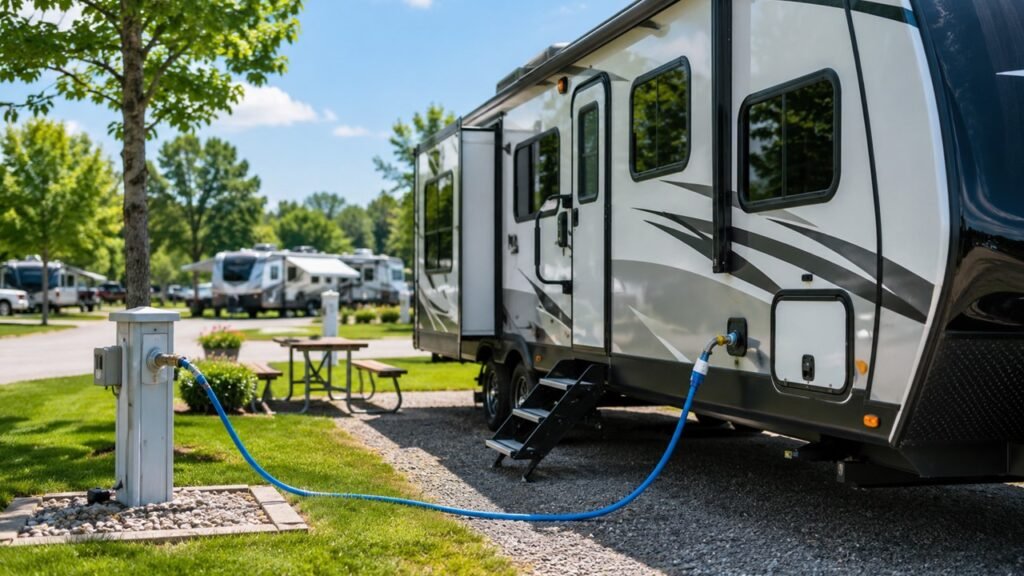
Also, pay attention to where you fill. A potable spigot is important, but the condition of that spigot also matters. If the tap looks dirty or the hose attached to it has been lying in the sun, let the water run for a short time before filling your tank.
Tank Cleanliness
A clean tank helps water stay fresher. A dirty tank can ruin good water quickly.
Over time, RV fresh tanks can develop biofilm. Think of biofilm as a thin, slimy layer where bacteria and other buildup can live. You may not see it from outside the tank, but it can affect the smell, taste, and quality of the water.
If your tank has not been sanitized in a long time, fresh water may become stale faster. This is especially true if the RV has been sitting unused, stored in warm weather, or filled from questionable sources in the past.
A sanitized tank does not make water last forever. However, it gives the water a much cleaner place to sit.
Temperature And Sun Exposure
Heat is another major factor. Warm water sitting in a tank creates better conditions for bacteria and algae growth.
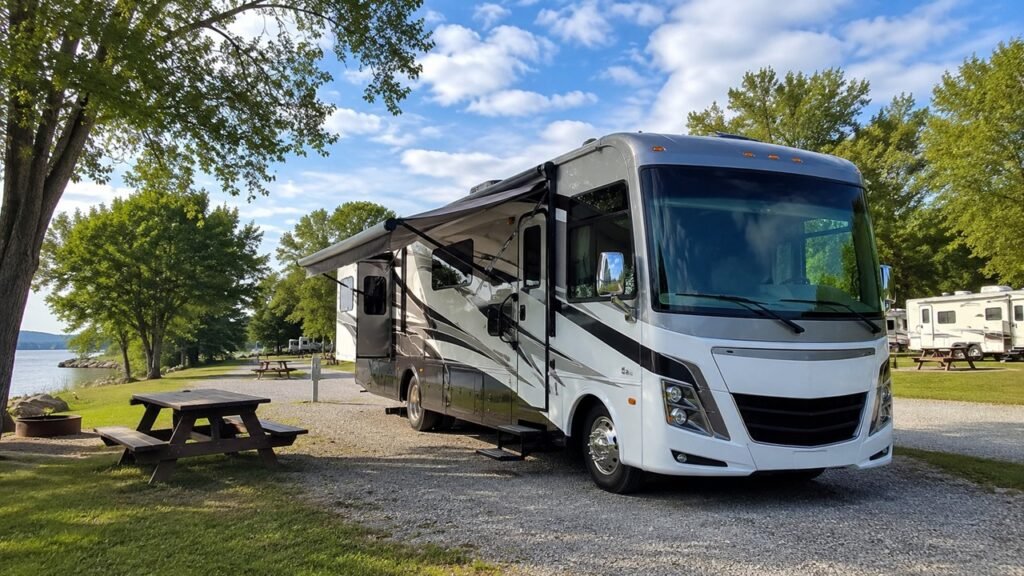
Even if your fresh tank is not in direct sunlight, your RV can still get very hot. Campground pads, asphalt, concrete, and closed RV interiors can all raise the temperature around the tank and plumbing.
Hot conditions that can shorten water freshness include:
- Parking in direct sun
- Camping on hot asphalt or concrete
- Leaving the RV closed during summer
- Storing the RV with water in the tank
- Traveling through very hot climates
- Keeping water in the tank between summer trips
If your RV has been sitting in hot weather for a week or more, I would be more cautious about drinking from the tank.
How Often You Use And Refill The Water
There is a difference between water sitting untouched and water being used regularly.
If you fill your tank once and leave that same water sitting for two weeks, it can become stale. But if you are using water daily and refilling with fresh potable water, the system is constantly being refreshed.
This is why some full-time RVers can go longer between full tank cleanings. They are not letting the same water sit unused for weeks. They are using, draining, and replacing water often.
For weekend RVers, the risk is different. If you fill the tank for one trip and then park the RV for several weeks with leftover water inside, that water should not be treated like fresh drinking water on the next trip.
Hose And Filling Setup
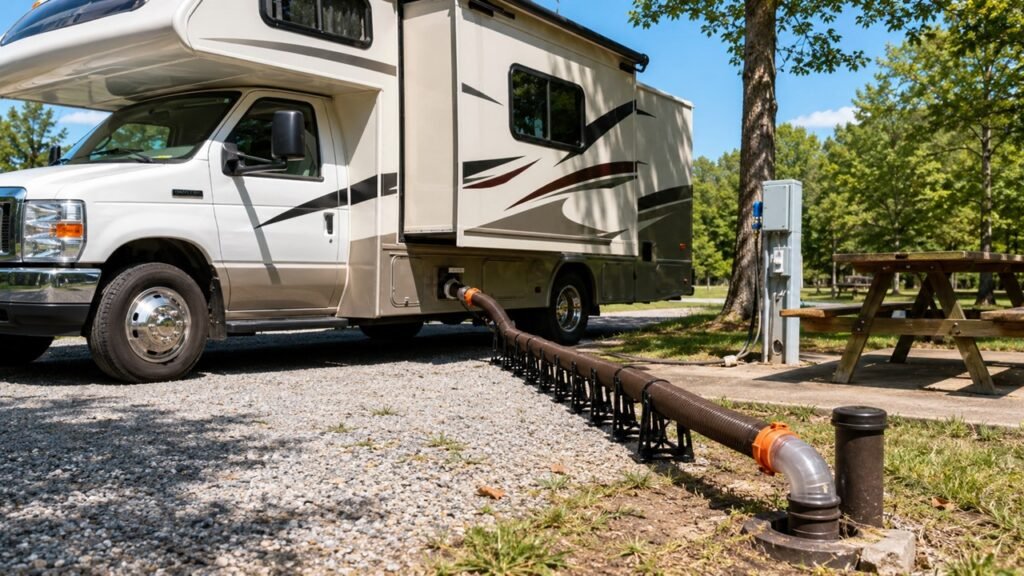
Your water is only as clean as the equipment used to fill the tank. A dirty hose can contaminate clean water before it even reaches your RV.
Use a dedicated potable water hose for your fresh water system. Do not use a regular garden hose for drinking water. Garden hoses can add plastic, rubber, or chemical taste, and many are not designed for potable water.
Good hose habits include:
- Use a hose labeled safe for drinking water.
- Keep both hose ends capped after use.
- Store the hose in a clean bin or bag.
- Keep the fresh water hose away from sewer hoses.
- Do not leave the hose lying open on the ground.
- Flush the hose briefly before filling the tank.
- Replace old hoses that smell or taste strange.
A clean tank will not help much if the fill hose is dirty.
Is Old Water In An RV Fresh Tank Safe To Drink?
Old RV tank water is not always safe to drink. Sometimes it may be fine, especially if it has only been sitting a few days in a clean system. But once water has been sitting unused for more than two weeks, I would not drink it without draining and refilling.
The tricky part is that unsafe water does not always look dangerous. Clear water can still contain bacteria or contamination. Smell and taste are helpful warning signs, but they are not perfect safety tests.
That said, your senses can still tell you when water is clearly not worth trusting.
Do not drink RV tank water if:
- It has been sitting unused for more than 10 to 14 days.
- It smells musty, sour, rotten, plastic-like, or like sulfur.
- It tastes stale, metallic, chemical, or plastic.
- It looks cloudy or has floating particles.
- It came from an unknown or questionable source.
- The RV has been stored for weeks or months.
- The tank has not been sanitized recently.
- The water hose was dirty or stored with sewer gear.
- Anyone drinking it has a sensitive stomach or health concern.
When in doubt, drain and refill. Fresh water is easier to replace than a contaminated plumbing system.
Can You Use Old RV Tank Water For Anything?
Older RV tank water may not be safe for drinking, but you may still be able to use it for limited non-drinking purposes. This depends on how old the water is and whether it smells, looks, or feels dirty.
If the water smells foul, looks cloudy, or has visible debris, I would drain it instead of using it inside the RV.
| Use | Okay With Older Water? | Safer Recommendation |
| Drinking | No | Use fresh potable water |
| Cooking | No | Use fresh potable water |
| Brushing teeth | No | Use fresh potable water |
| Pet water | No | Use fresh potable water |
| Hand washing | Sometimes | Use soap and rinse well |
| Toilet flushing | Usually yes | Fine if odor is not severe |
| Exterior rinsing | Usually yes | Avoid if water smells foul |
| Showering | Use caution | Better to refill first |
Personally, I would not use old tank water for anything that goes into the mouth. That includes drinking, cooking, brushing teeth, making coffee, washing produce, or giving water to pets.
Toilet flushing is usually the least risky use. Still, if the water smells terrible, draining the system is the better move.
Should You Leave Water In Your RV Fresh Tank Between Trips?
In most cases, no. You should not leave water sitting in your RV fresh tank between trips if the RV will be parked for more than a week or two.
If your next trip is only a few days away, leaving water in the tank may be fine. But if the RV will sit for several weeks, drain the tank. Old water can create bad taste, odor, and buildup inside the system.
This is especially important in hot weather. A half-full tank sitting in summer heat is a perfect way to end up with stale-smelling water on your next trip.
If I knew my RV was going to sit longer than two weeks, I would drain the fresh tank instead of hoping the water stays fresh.
Before the next trip, refill from a safe potable source. If the RV has been stored for a long time, sanitize the fresh water system before using it for drinking.
How To Keep Water Fresh In An RV Fresh Tank Longer
You cannot make RV tank water last forever, but you can slow down the problems by starting with clean water and a clean system. The goal is simple: reduce contamination before the water enters the tank and avoid letting it sit too long.
Start With A Sanitized Tank
A sanitized tank gives your water the best chance of staying fresh. If the tank already has bacteria, biofilm, or old water residue inside, new water can become stale quickly.
Always check your RV owner’s manual first because different manufacturers may have specific steps. In general, sanitizing an RV fresh water system usually follows a process like this:
- Drain the fresh water tank.
- Mix the correct bleach solution for your tank size.
- Add the solution to the fresh tank.
- Fill the tank with potable water.
- Run each faucet until you smell chlorine.
- Let the solution sit for the recommended time.
- Drain the tank completely.
- Flush with fresh water until the bleach smell is gone.
- Refill with potable water before use.
A common RV sanitizing ratio is 1/4 cup of household bleach per 15 gallons of tank capacity. However, always follow your RV manual and avoid scented, splashless, or thickened bleach products.
The goal is not to make your drinking water taste like a swimming pool. The goal is to clean the tank and lines, then flush them well before normal use.
Use A Potable Water Hose
Your hose is part of your water system. If the hose is dirty, the tank water can become dirty too.
Follow these simple hose habits:
- Use a white or blue potable water hose.
- Do not fill your RV tank with a garden hose.
- Cap the hose ends after every use.
- Store the hose in a clean container.
- Keep it away from sewer hoses and fittings.
- Do not drag the open hose end through dirt.
- Replace the hose if it smells bad inside.
This is one of the easiest ways to protect your water quality.
Filter The Water Before It Enters The Tank
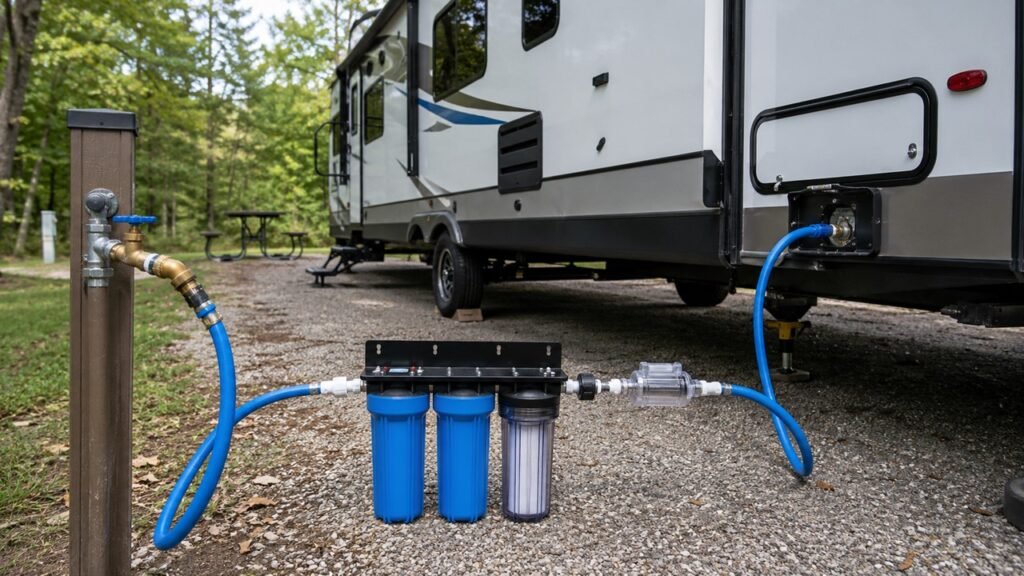
An inline water filter can help improve water taste and remove sediment before water enters your RV. This is especially helpful when filling at campgrounds where water taste and mineral levels vary.
However, do not expect a basic inline filter to make every water source safe. Many RV filters are mainly designed for sediment, chlorine taste, odor, and some common contaminants. They are not a guarantee against every bacteria, chemical, or unsafe water source.
Use a filter as extra protection, not as permission to fill from bad water.
If a spigot is labeled non-potable, skip it. If the water smells bad before it enters your RV, do not put it in your tank.
Keep The RV Cool When Possible
Cooler storage conditions help water stay fresher. You cannot always control the weather, but you can reduce heat exposure when possible.
Helpful habits include:
- Park in shade when available.
- Fill the tank closer to departure.
- Avoid storing the RV with a full tank in summer.
- Drain old water before long hot storage.
- Refill with fresh water before the next trip.
- Carry separate drinking water in sealed containers.
If you are camping in very hot weather, shorten your water storage timeline. Water that might be fine for two weeks in cool weather may become stale much sooner in summer heat.
Rotate Water During Long Trips
If you are traveling for several weeks, do not let the same water sit untouched in the tank. Use it and replace it regularly.
This is one reason active RV use can be better than storage. When water is moving through the system, being used, and being replaced, it is less likely to become stagnant.
A good routine is to refill with fresh potable water whenever you can and avoid carrying old water longer than necessary.
When Should You Drain And Refill The RV Fresh Tank?
Drain and refill the RV fresh tank whenever the water is old, questionable, or no longer pleasant to use. If you are debating whether the water is safe, draining is usually the smarter choice.
You should drain and refill when:
- The water has sat unused for over 10 to 14 days.
- The RV has been parked in hot weather.
- You filled from an unknown water source.
- The water smells bad or tastes strange.
- The water looks cloudy or has particles.
- The RV has been sitting in storage.
- The tank has not been sanitized recently.
- You are preparing for a new trip.
- You are traveling with children or pets.
- Someone in the RV has a sensitive stomach.
- You accidentally used a non-potable hose or spigot.
When the choice is between guessing and refilling, refilling is the safer move.
How Often Should You Sanitize An RV Fresh Water Tank?
Most RV owners should sanitize the fresh water tank at least once or twice a year. A good time to do it is before the first trip of the season or after the RV has been in storage.
You may need to sanitize more often if you use the RV heavily, camp in hot weather, or fill from different water sources often.
Sanitize your RV fresh water tank:
- Before the first trip after storage
- At least once or twice a year
- After using questionable water
- After bad smell or bad taste
- After cloudy or dirty-looking water
- After buying a used RV
- After the RV sits unused for a long time
- Before a long trip where you plan to drink tank water
Full-time RVers may not follow the same schedule as occasional campers. If you use and refill your tank constantly, you may focus more on regular flushing, clean hoses, and scheduled sanitizing.
For weekend RVers, sanitizing before the camping season and after long storage is especially important.
Can You Make RV Tank Water Last 3 To 6 Months?
Technically, treated water stored in proper sealed containers can sometimes be rotated on a longer schedule. But I would not treat a regular RV fresh tank like a sealed emergency water container.
An RV tank is different because it is connected to plumbing lines, vents, fittings, a pump, and faucets. It may also sit in changing temperatures and road conditions. That makes long-term storage less predictable.
Could water sit in a very clean, treated RV tank for months and still look fine? Maybe. Should you rely on that water for drinking without draining, flushing, and refilling? I would not.
For drinking water, the practical RV rule is still 10 to 14 days in normal conditions. If you want long-term emergency drinking water, store it separately in clean, sealed containers kept in a cool, dark place.
That way, your RV fresh tank stays part of your camping water system, not your long-term water storage plan.
What To Do If Water Has Been Sitting Too Long
If water has been sitting too long in your RV fresh tank, do not panic. Just do not drink it until you deal with the system properly.
Follow these steps:
- Do not drink the old tank water.
- Check for smell, cloudiness, or debris.
- Drain the fresh water tank completely.
- Open low-point drains if your RV has them.
- Flush the tank with fresh potable water.
- Run water through the faucets to clear the lines.
- Sanitize the fresh tank and plumbing if needed.
- Drain the sanitizing solution fully.
- Flush again until the chlorine smell is gone.
- Refill with fresh potable water.
- Use a clean drinking-water-safe hose.
- Carry separate drinking water until you trust the system again.
If the water smelled rotten, slimy, or strongly musty, sanitizing is the better choice. A simple refill may not be enough if the tank or lines have buildup inside.
RV Fresh Tank Water Safety Mistakes To Avoid
Most RV water problems come from simple habits that are easy to fix. Once you build a clean routine, keeping water fresh becomes much easier.
Avoid these common mistakes:
- Filling from a non-potable spigot
- Using a regular garden hose
- Storing the fresh hose with sewer gear
- Leaving water in the tank all season
- Ignoring bad smell or taste
- Assuming clear water is always safe
- Assuming a filter fixes unsafe water
- Adding bleach without measuring
- Forgetting to flush after sanitizing
- Drinking from a tank you have not maintained
- Filling too early before a trip
- Leaving the RV parked full of water in hot weather
The biggest mistake is treating the fresh tank like a sealed bottle. It is not. It is part of a full plumbing system, and that system needs regular care.
Simple RV Fresh Water Storage Routine
A simple routine can prevent most stale water problems. You do not need to overthink it, but you do need to be consistent.
Use this checklist:
- Sanitize the system before the first trip of the season.
- Fill the tank close to your departure date.
- Use only potable water.
- Use a dedicated drinking-water-safe hose.
- Keep your hose capped and clean.
- Use an inline filter when helpful.
- Avoid carrying old water longer than necessary.
- Use or replace tank water within two weeks.
- Drain the tank after the trip if the RV will sit.
- Sanitize again after long storage or bad water.
- Keep backup drinking water in sealed containers.
This routine gives you a good balance between safety and convenience. You do not have to drain the tank every single night, but you also should not let old water sit for weeks and then drink it without thinking.
Can You Travel With A Full RV Fresh Water Tank?
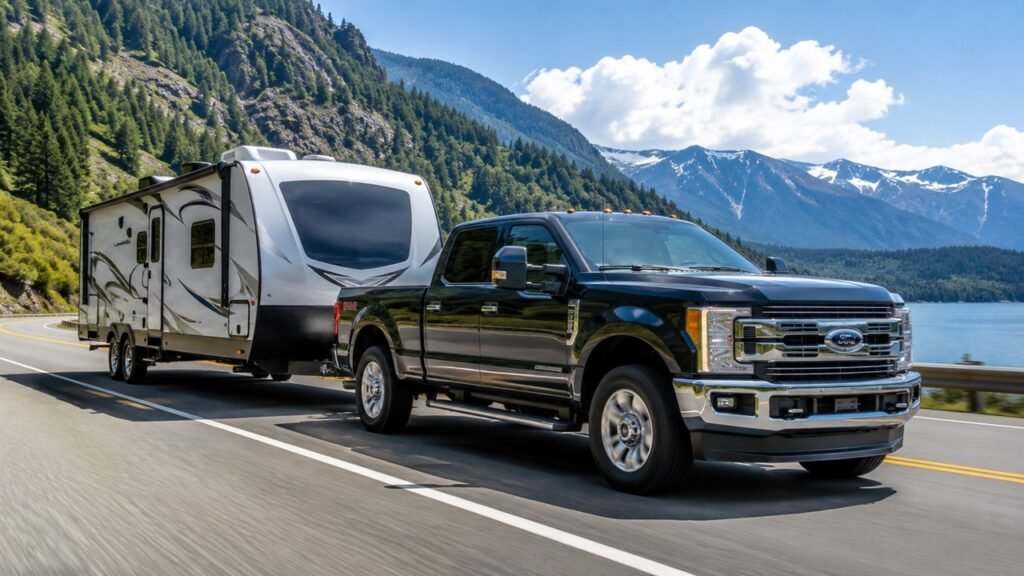
Yes, you can travel with a full RV fresh water tank if your RV is designed for it and you stay within your weight limits. Many RVers travel with at least some fresh water so they can use the toilet, wash hands, or stop overnight without hookups.
The downside is weight. Water weighs about 8.3 pounds per gallon, so a 50-gallon tank can add more than 400 pounds to your RV. That can affect cargo capacity, fuel economy, handling, and braking.
For short trips to campgrounds with reliable water, you may only need to carry a partial tank. For boondocking, dry camping, or uncertain water stops, carrying more water makes sense.
Just remember that travel time counts too. If you filled the tank a week ago and then parked the RV in hot weather, that water is not as fresh as water filled the morning of the trip.
Final Verdict
For normal RV use, treat 10 to 14 days as the safe upper limit for drinking water in a clean fresh tank. If the weather is hot, the tank is dirty, or the water source is questionable, shorten that timeline.
If the RV will sit between trips, draining the tank is usually smarter than letting water sit. Before the next trip, refill from a safe potable source and sanitize the system if the RV has been stored.
Fresh water is easy to replace. A contaminated RV plumbing system is much harder to fix.
Related FAQs
Here are quick answers to common questions RV owners ask about old water, fresh tanks, and safe drinking water.
How Long Can Fresh Water Stay In An RV Tank Before It Goes Bad?
Fresh water can usually stay in a clean RV tank for about 10 to 14 days if it came from a potable source. In hot weather or with questionable water, it may become stale much sooner.
Can I Drink Water That Sat In My RV Tank For A Month?
It is better not to drink water that sat in your RV tank for a month. Drain it, flush the system, sanitize if needed, and refill with fresh potable water.
Should I Drain My RV Fresh Water Tank After Every Trip?
Yes, you should drain it after a trip if the RV will sit for more than a week or two. If your next trip is only a few days away, leaving water may be fine if the system is clean.
Why Does My RV Tank Water Taste Stale?
RV water can taste stale because it has been sitting too long. Plastic tanks, old hoses, minerals, chlorine, sediment, or biofilm can also cause bad taste.
Can I Add Bleach To Keep RV Water Fresh?
Bleach can be used to sanitize an RV fresh water system, but it should be measured carefully. Do not casually add bleach without following your RV manual or safe water treatment guidance.
Is Well Water Safe To Store In An RV Fresh Tank?
Well water may be safe if it has been tested and treated. If you do not know the quality, avoid storing it for long and consider using a filter or a different potable source.
Can I Shower With Old Water From My RV Fresh Tank?
You may be able to shower with older water if it does not smell bad or look dirty. However, if the water has sat too long, refilling the tank is the safer and cleaner option.
How Do I Know If My RV Water Is Bad?
Bad RV water may smell musty, sour, rotten, plastic-like, or metallic. It may also taste strange, look cloudy, or contain particles.
Can I Leave My RV Fresh Water Tank Empty?
Yes, you can leave your RV fresh water tank empty when the RV is not being used. In fact, draining it before storage is usually better than leaving old water inside.
How Often Should I Replace Water In My RV Fresh Tank?
For drinking use, replace the water every 10 to 14 days in normal conditions. Replace it sooner during hot weather or when the water source is questionable.

Michael Carter is an experienced RV traveler who focuses on practical outdoor trips across the States. He writes clear, step-by-step guides and realistic reviews based on real travel needs. His aim is to help RV and camper owners plan informed, simpler journeys with confidence.