
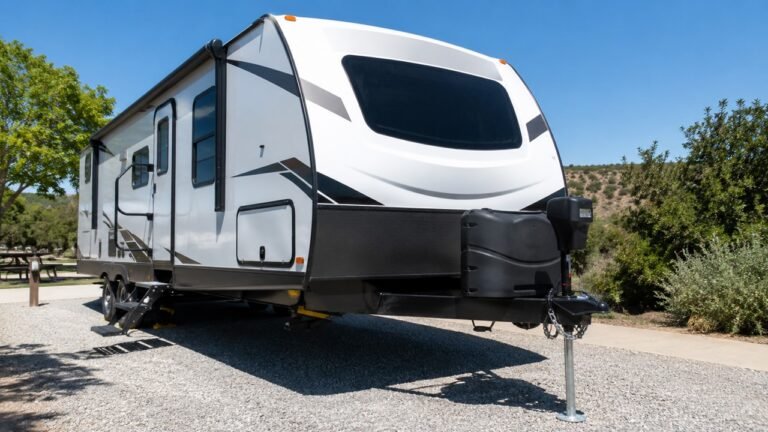
Your electric trailer jack may not be working because of a weak 12-volt battery, blown fuse, tripped breaker, corroded wiring, poor frame ground, faulty switch, overloaded motor, or internal...
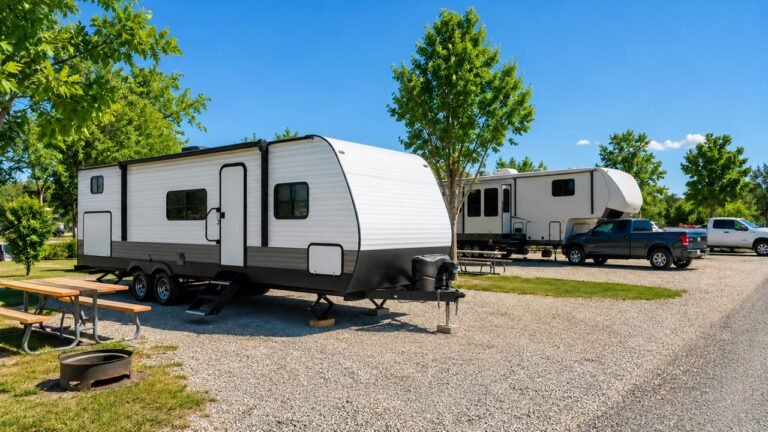
Trailer hitch locks rust or jam because water, road salt, dust, and grime enter the lock and attack its moving parts. Without regular cleaning and lubrication, the internal pins can corrode, stick, or...
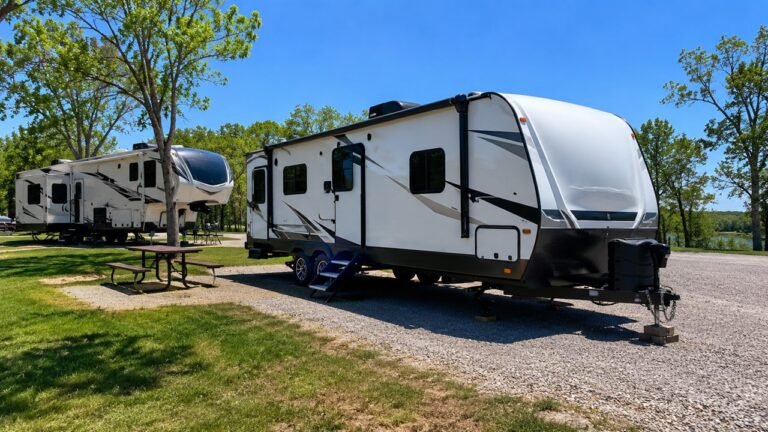
Yes, a trailer can be stolen from a campsite, especially when it is left unattended with an accessible coupler and limited security. A thief may connect it to another tow vehicle, bypass a weak lock...
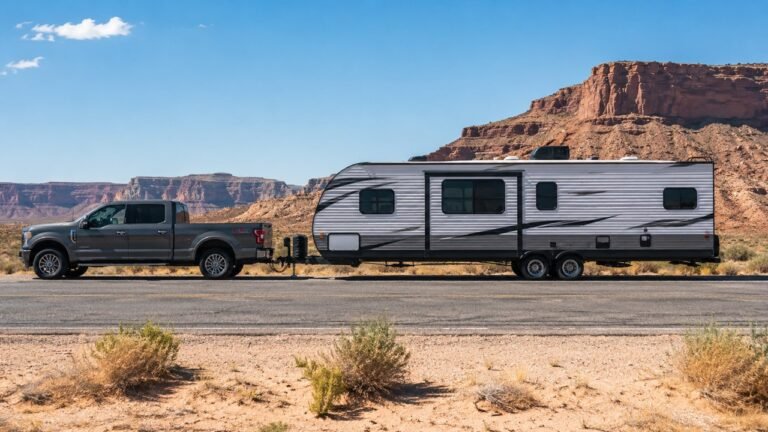
Your trailer may feel unstable because of low tongue weight, poor cargo placement, incorrect tire pressure, an unlevel hitch, excessive speed, or worn towing components. These problems can cause...
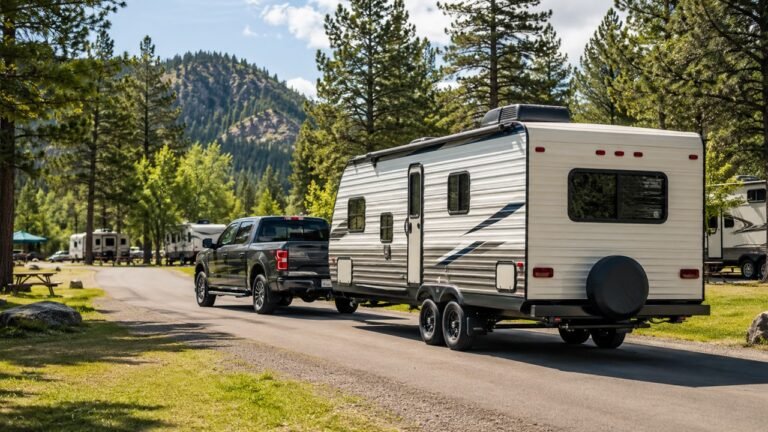
If trailer tongue weight is too high, the rear of your tow vehicle can become overloaded and sag noticeably. This may reduce weight on the front tires, weaken steering response, affect braking...
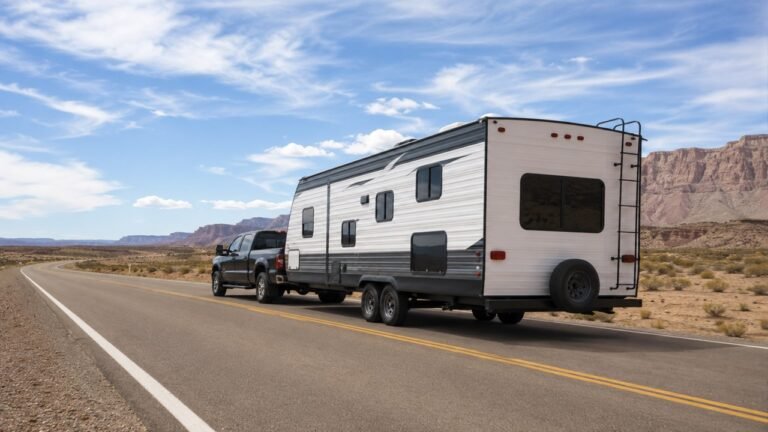
If your trailer tongue weight is too low, the trailer can become unstable and start swaying from side to side. Insufficient downward pressure on the hitch makes the trailer more sensitive to wind...

Your trailer may bounce on the road because it is empty or unevenly loaded, has incorrect tongue weight, uses improper tire pressure, sits unlevel, or has worn suspension components. Light trailers...

A trailer sways while driving when something causes it to move from side to side and its setup cannot naturally bring it back into line. The most common causes are rear-heavy loading, insufficient...
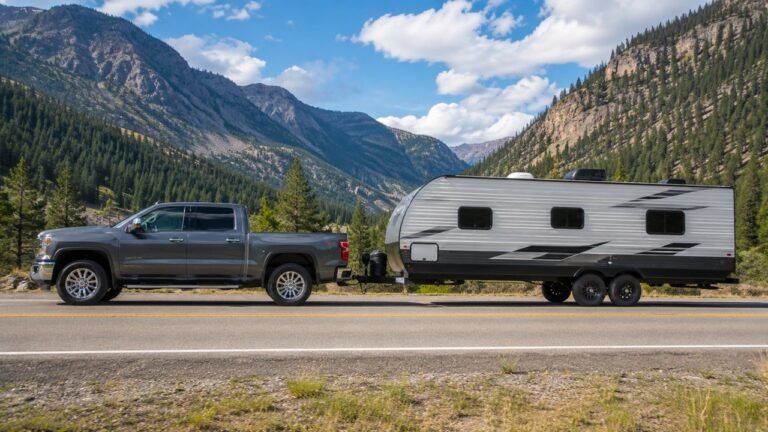
Trailer tongue weight is the amount of downward pressure the front of your trailer places on the tow vehicle’s hitch. For most bumper-pull trailers, the ideal tongue weight is usually around 10% to...